Under Simpler Recycling legislation all households, including flats, must recycle the core set of recyclable materials (paper, glass, plastic, cardboard and metal) by March 2026.
To prepare for this important change, we are trialling different methods of recycling in over 700 flats.
When
We are running a six-month recycling trial in flats from August 2025 to February 2026.
Why
The purpose of this trial is to prepare Hull for a city-wide roll out of recycling in flats starting March 2026.
The data we collect from the trial will help us identify -
- the best bin type for residents living in flats to use. For example, we can see which type of bins lead to the most recycling and least contamination. Our trial includes various bin types such as outside bins, bin chutes and housing containers
- how to reduce the level of contamination in our bins. Putting things in the wrong bin makes recycling time consuming and expensive. If we can recycle right, we can turn old materials into new products quickly and affordably
- how residents living in flats feel about the new legislation and changes to their bins
By getting ahead of the game with this trial, Hull City Council can hit the ground running with recycling collections for all flats from March 2026.
How
At the end of July 2025, members of the Waste Management team put in an amazing effort and hand delivered reusable recycling bags, food caddies and compostable liners to residents across the trial areas and offered support and guidance to encourage people to use the right bins for the right waste.
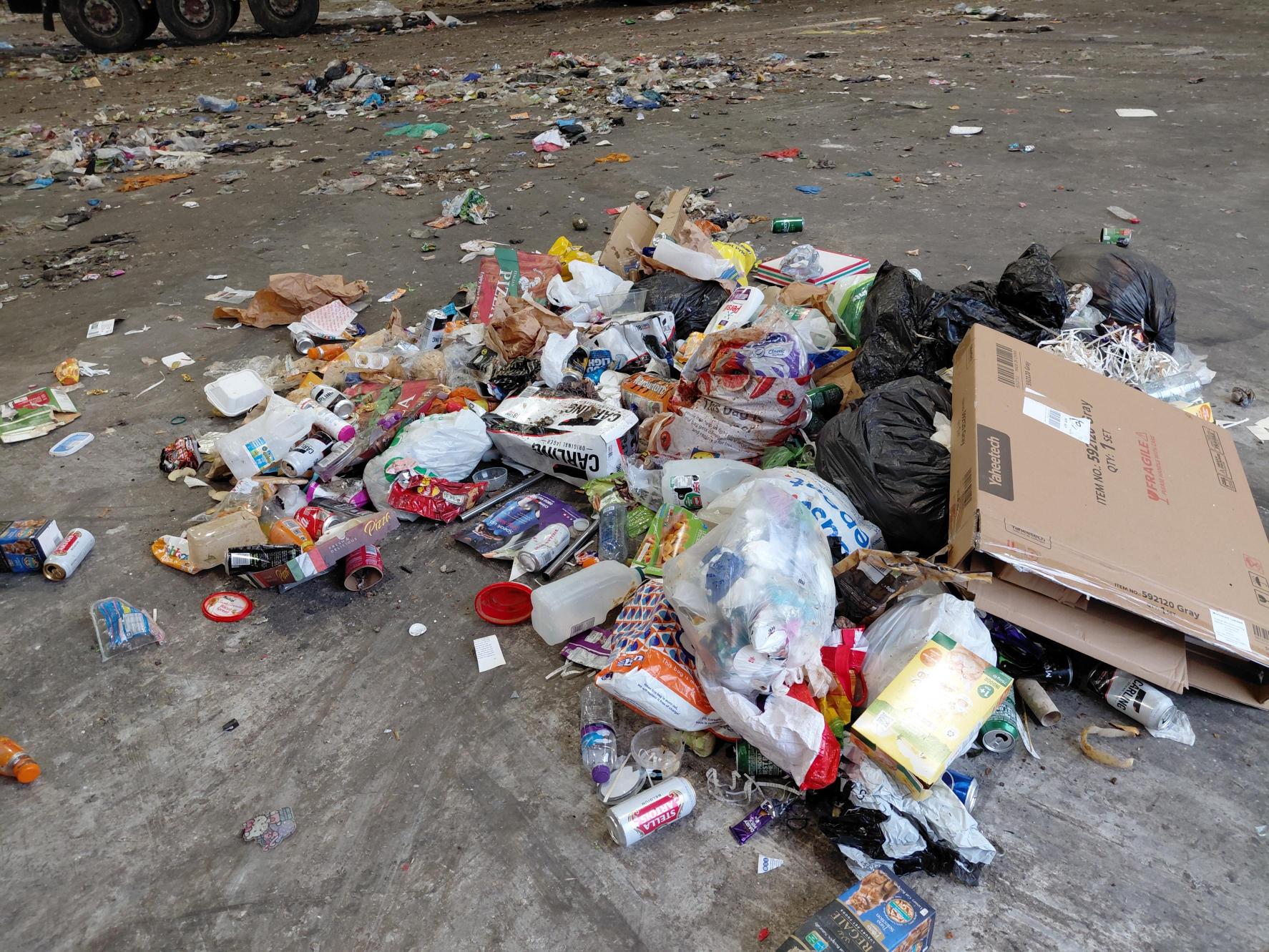
To figure out which bins produce the best recycling results, our recycling officers are sampling the waste being put into the bins. Sampling this waste helps us determine if the bins are being used correctly.
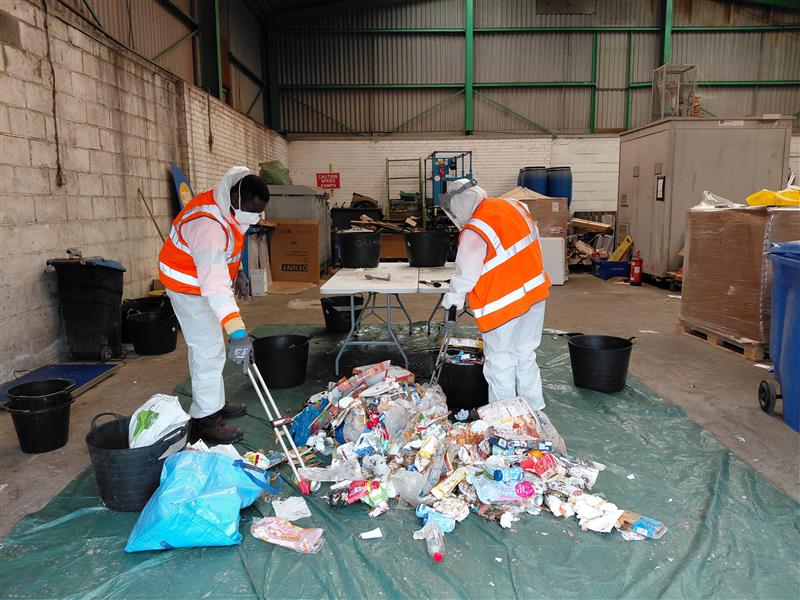
The waste is sampled at waste transfer centres in Hull using the following method -
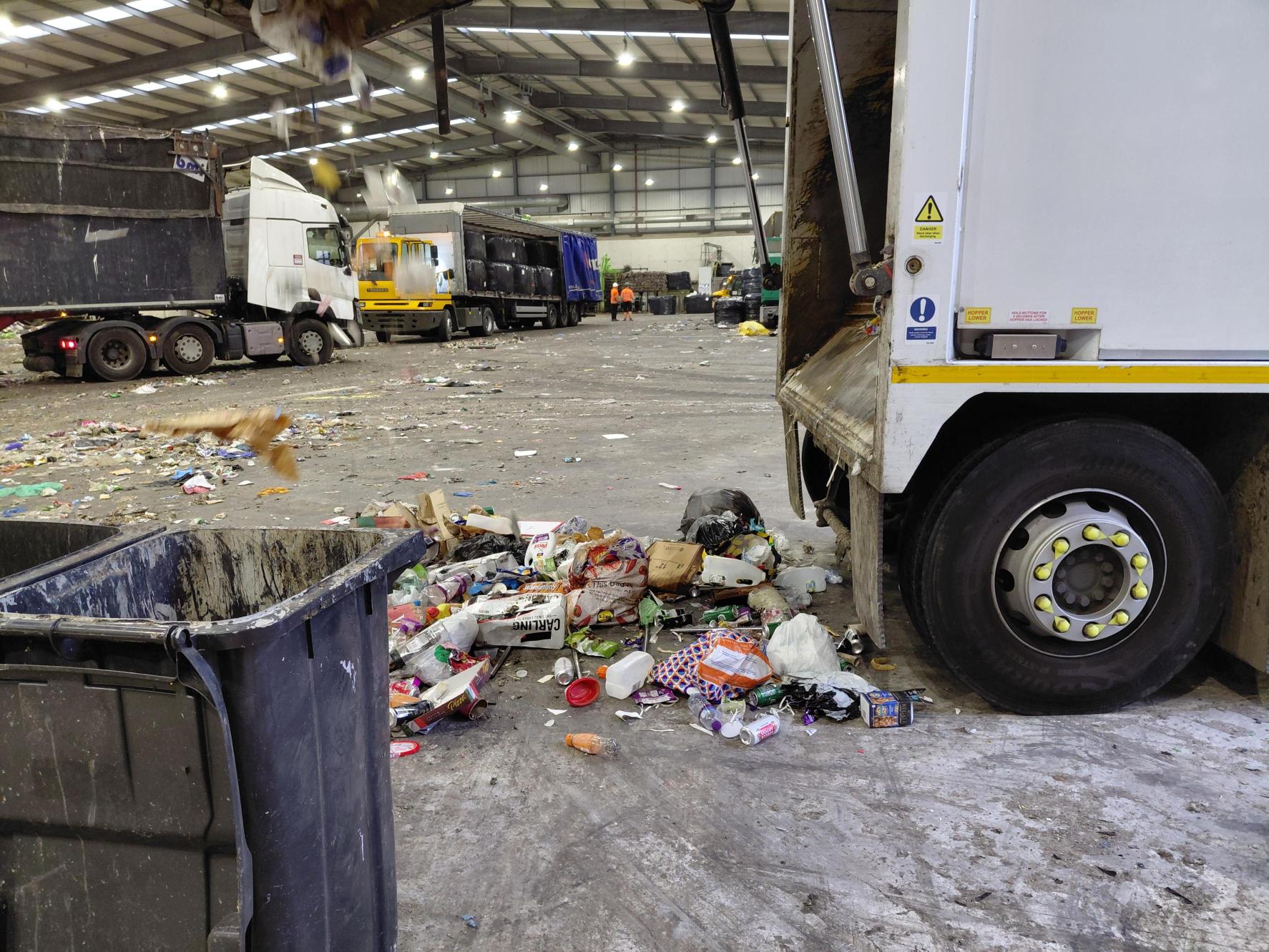
- the collection crew pick up the bin sample from one of the trail sites and bring it to the waste transfer centre
- the sample is placed in a couple of bins, ready to be sorted by the recycling officers
- the recycling officers go through the bin and separate the waste into three buckets, one for recycling, one for residual waste and one for organic waste
- the recycling officers then weigh the buckets and record how much of each waste type is in the sample
- the composition of the bin is then calculated. For example, the recycling bin sample collected from Porter Street has a composition of 76% recycling, 20% residual waste and 4% organic waste. This shows that 24% of the waste is in the wrong bin
With this information, we can create specific messaging for the people of Hull to maximise recycling and minimise waste in flats.